Play-Based Learning: What Your Toddler Actually Learns in a Day of Play School
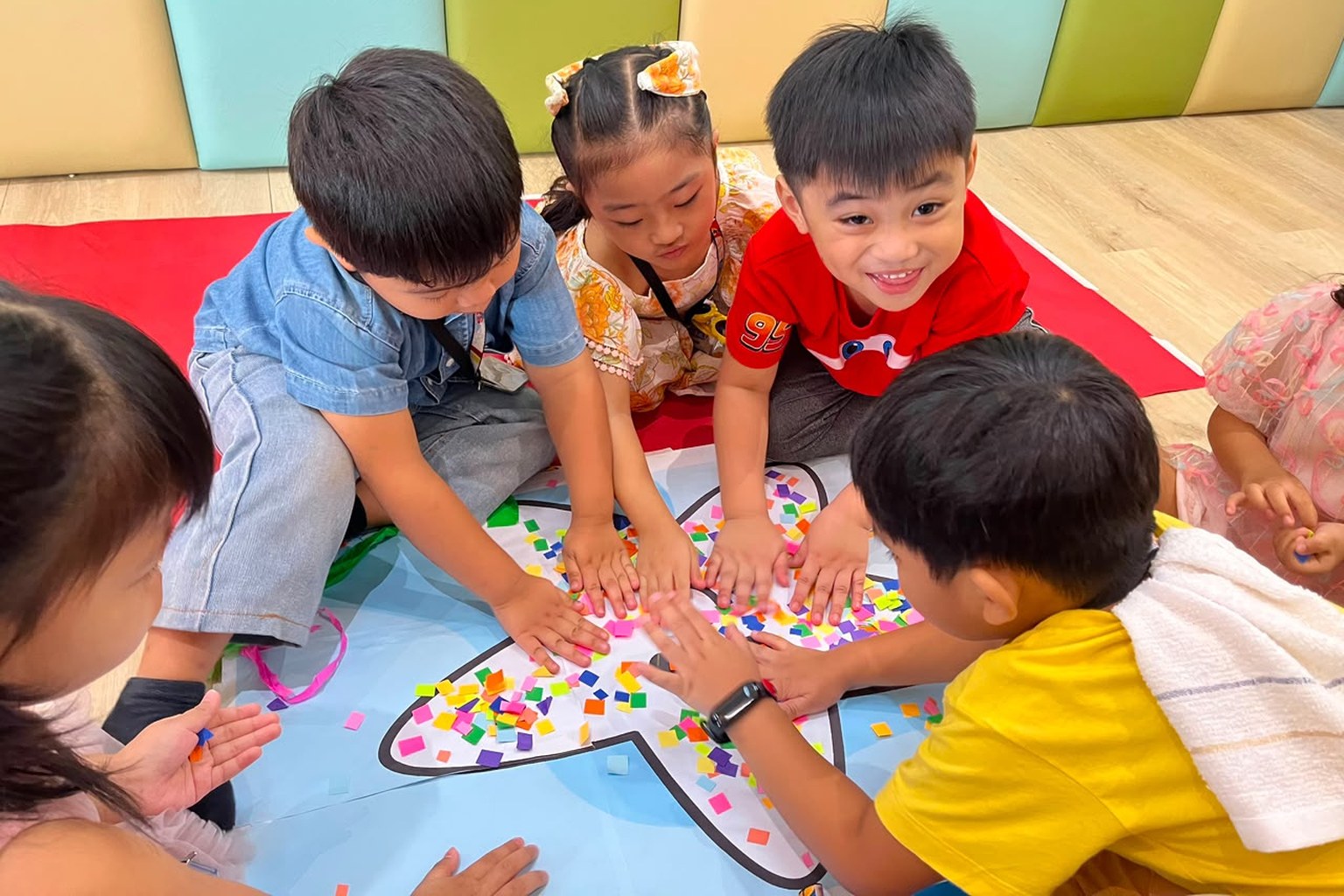

When you tell relatives your toddler spends the day “just playing” at school, you sometimes get a raised eyebrow. Shouldn’t they be learning ABCs and 123s? Here’s the thing every early educator knows: for a toddler, play is the learning. A well-designed play-based learning program doesn’t choose between fun and education. It hides real, measurable development inside every game, song, and spill.
So what does your child actually gain between drop-off and pickup? Let’s walk through a typical day at our Quezon City play school and pull back the curtain on the skills growing quietly underneath all that fun.
Why “Just Playing” Is Serious Learning
A toddler’s brain builds more than a million neural connections every second in these early years. Play is how those connections get wired. When your child stacks blocks, they’re testing gravity, balance, and cause and effect. When they argue over who gets the red truck, they’re learning negotiation and empathy. Structured play-based learning simply channels this natural drive into activities that grow specific skills, without the child ever feeling like they’re in a lesson. If you’d like the deeper comparison, our article on play-based learning vs traditional preschool breaks down why this approach works, and early-learning experts at NAEYC back it with research.
A Day Inside Our Play School Program
Arrival and free play
The morning starts loose on purpose. As children trickle in, they choose their own activity: puzzles, pretend kitchen, blocks. This gentle start eases separation nerves and, less obviously, builds decision-making and independence. A child choosing what to do and following through is practicing focus and self-direction.
Circle time
Everyone gathers for songs, the calendar, weather, and a good-morning greeting. It looks like a sing-along, but circle time is dense with learning. Children practice listening, turn-taking, counting, days of the week, and the confidence to speak in front of a group. The songs, with their rhymes and repetition, are quietly training the ear for reading later on.
Learning centers
Next, children rotate through hands-on stations: a sensory bin of rice and scoops, an art table, a book nook, a building corner. Each center targets something different. Scooping and pouring strengthen the small hand muscles needed for writing. Art builds creativity and color recognition. Sorting toys by shape or color is early math in disguise.
Snack time
Snacks are a learning center too. Opening a baon container, pouring water, and clearing up build fine motor skills and independence. Sitting together teaches table manners and gives children a natural, relaxed setting to chat and grow their vocabulary.
Outdoor and active play
Running, climbing, and ball games aren’t just to burn energy before nap. Gross motor play develops coordination, balance, and body strength, and children who move plenty actually concentrate better afterward. Group games like tag teach rules, fairness, and how to win and lose gracefully.
Story time and wind-down
The day settles with a story. Beyond the joy of it, story time grows vocabulary, listening stamina, and the understanding that print carries meaning, all foundations for reading. Predicting what happens next sharpens thinking and memory.
The Skills Hiding Inside the Fun
Across a single day, a strong play school program touches every area of your child’s development. Language grows through songs, stories, and constant conversation. Social and emotional skills build every time children share, take turns, comfort a friend, or manage a disappointment. Fine motor control develops through cutting, threading, and scooping, while gross motor skills come from climbing and running. Early math and literacy hide inside sorting games, counting songs, and letter hunts. And underpinning all of it, confidence and independence grow as your child learns they can do things on their own.
None of this arrives as a worksheet. It arrives as a good day. To understand how these early gains ripple into later school success and self-esteem, see our overview of early childhood programs in Quezon City.
How to Extend Play-Based Learning at Home
You don’t need to recreate a classroom. The same principles work beautifully at home with what you already have. Let your child help in the kitchen; measuring and pouring is math and motor skills. Turn tidy-up into a sorting game. Read together every day and talk about the pictures. Say yes to messy play when you can, because that mess is often where the deepest learning happens.
Most of all, resist the urge to fill every minute with flashcards. Unstructured play, where your child leads, is one of the richest learning experiences you can offer.
Frequently Asked Questions
Will my child fall behind academically in a play-based program?
No. Research consistently shows children in quality play-based programs match or outperform peers from more academic settings, especially in social skills and love of learning, while building strong pre-literacy and pre-math foundations.
When do children start “real” academics?
Formal reading and writing build gradually from the pre-kinder and kindergarten years. The play-based years lay the groundwork that makes those later skills come more easily.
How can I tell if a play school program is high quality?
Look for warm, engaged teachers, a mix of active and quiet activities, a print-rich environment, and children who look genuinely happy and busy.
See the Learning for Yourself
Behind every messy art project and silly song, your toddler is building the brain and the character they’ll carry for life. A thoughtful play school program makes that growth feel like the best part of their day.
Want to see play-based learning in action? Book a visit to Shining Stars Play and Learn Class in Quezon City and watch what a day of purposeful play really looks like.