
Child Struggling in School? How Tutoring Helps in the New June–April School Year
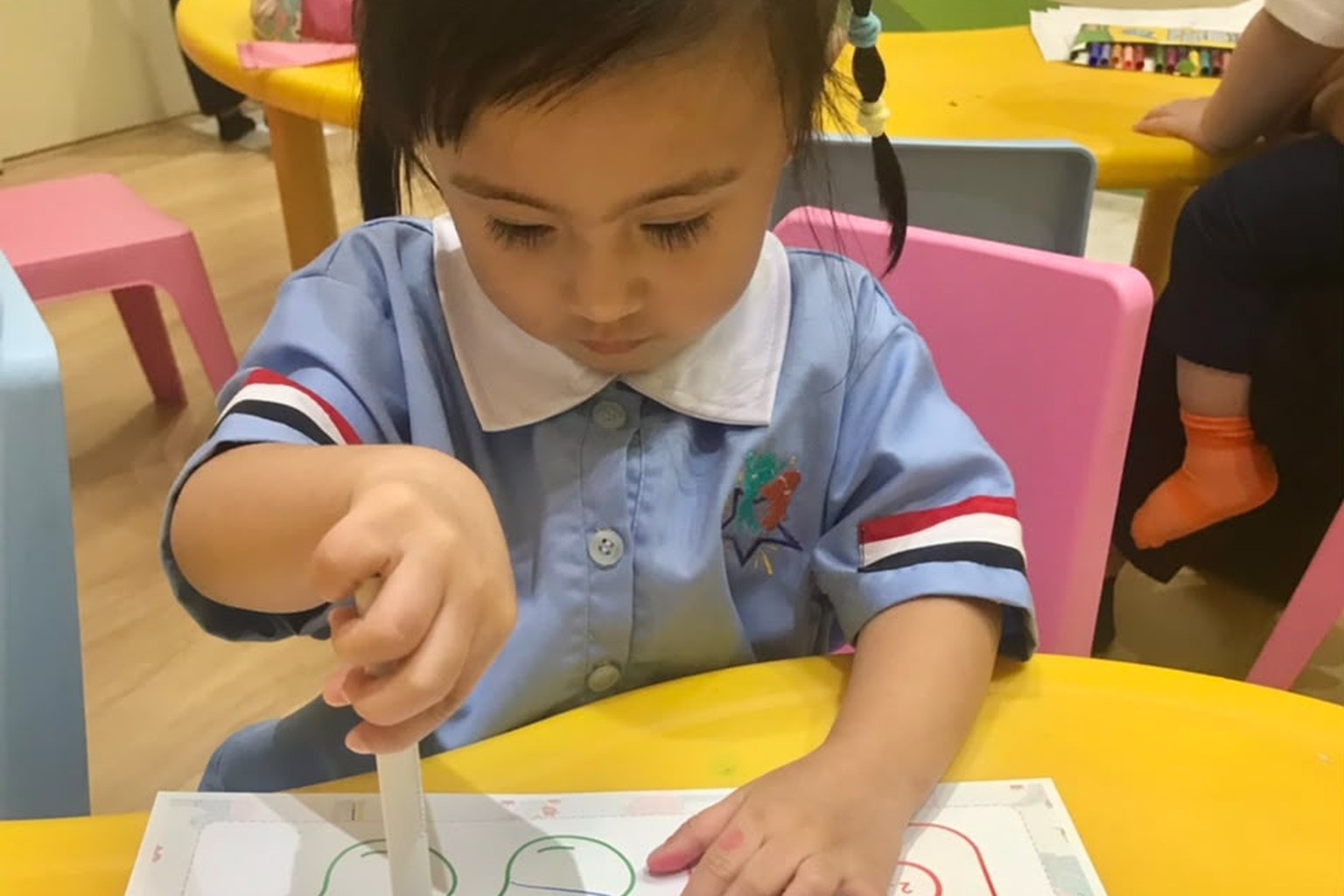

Few things worry a parent more than watching a child struggling in school and not knowing how to help. You sit beside them at the dining table, explain the same math problem for the third time, and still see that frustrated, defeated look. The long June-to-April school year can feel like a marathon when your child is falling behind, and by the time report cards arrive, a small gap has often grown into a big one.
The encouraging news is that struggling early on rarely means a child isn’t capable. More often it means they hit a gap that never got filled, and the class moved on without them. The right support, given early, can turn things around faster than most parents expect. Here’s why children fall behind, and how tutoring helps them climb back.
Why Children Fall Behind During the School Year
The Philippine school year is long, and lessons build on each other like bricks. Miss the brick where fractions are introduced, and every fraction lesson after that wobbles. A child might fall behind for reasons that have nothing to do with ability: a stretch of absences from illness, a noisy classroom, a topic explained in a way that didn’t click, or simply a large class where the teacher can’t slow down for one confused face.
Left alone, these gaps compound. The child stops understanding, then stops trying, then decides they’re just “bad at” the subject. Breaking that cycle early is everything.
Signs Your Child Is Struggling in School
Some signs are loud: failing marks, notes from the teacher, homework meltdowns. Others are quieter. Your child may go silent about school, complain of tummy aches on school mornings, or say they’re “dumb.” A once-curious kid who now shrugs at everything is often a struggling kid in disguise. If you’d like a fuller checklist, our guide to the signs your child needs a tutor lays them all out, and parenting resources such as Understood help you tell a temporary rough patch from a real learning gap.
How Tutoring Turns Things Around
It finds the exact gap
A tutor doesn’t re-teach the whole subject. They diagnose the precise point where understanding broke down, then rebuild from there. Fixing that one missing brick often makes everything above it suddenly make sense.
It moves at your child’s pace
In a classroom of thirty-plus, the lesson can’t pause. In a tutoring session, it can. Your child gets to sit with a tricky idea until it truly lands, with no pressure to keep up and no embarrassment about asking again.
It teaches how to learn
Good tutoring isn’t just about tonight’s homework. A strong tutor builds study habits, note-taking, and problem-solving strategies your child carries into every future subject, so they gradually rely on the tutor less.
It restores confidence
Each small win, a problem solved, a quiz passed, chips away at the belief that they “can’t.” Confidence is often the real turning point, and it spreads to subjects the tutor never even touched.
Don’t Wait for the Report Card
The most common mistake parents make is waiting. It’s tempting to hope a struggling child will “catch up on their own” or that next quarter will be better. Occasionally it is. More often the gap quietly widens, and what could have been fixed in a few weeks becomes months of catch-up.
Acting at the first signs, rather than after a failing grade, keeps the problem small and keeps your child’s confidence intact. Early support is always gentler than a rescue mission.
Tutoring vs. Helping at Home
Plenty of loving parents try to be the tutor, and sometimes it works. Often it doesn’t, and that’s nobody’s fault. Homework with a parent can turn tense fast, mixing the roles of teacher and mom or dad in a way that frustrates everyone. Many parents also aren’t sure how today’s curriculum teaches a topic, so their well-meant “shortcut” confuses the child further.
A tutor brings neutrality and know-how. Your child can be honestly confused in front of a tutor without the emotional charge of disappointing a parent, and you get to go back to being the encouraging cheerleader at home. Our overview of tutorial services in Quezon City explains how structured, one-on-one help builds strong academic foundations.
More Than Grades: The Bigger Win
Parents come to tutoring worried about marks, and marks usually do improve. But the change they treasure most is the child who starts smiling about school again. The nightly homework war ends. A kid who called themselves stupid starts saying “I get it now.” That renewed belief, that being stuck is temporary and effort pays off, is a gift that outlasts any single school year.
Frequently Asked Questions
My child only struggles in one subject. Is tutoring worth it?
Yes, and often that’s the ideal time to start. Targeting a single weak subject before it drags down confidence and other grades is efficient and effective.
How quickly will I see improvement?
Many parents notice a lift in confidence within a few weeks, with grades following over a quarter as gaps close and habits improve.
Is it too late to start tutoring mid-year?
It’s never too late. Starting mid-year can rescue a struggling term and set your child up strong for the next one.
Help Your Child Get Back on Track
A child struggling in school isn’t a child who can’t succeed. It’s a child who needs the right help at the right time. Step in early, and you can turn a hard year into a comeback story your child will remember.
Worried about your child’s progress this school year? Talk to Shining Stars Play and Learn Class in Quezon City about tutoring built around your child’s needs.
You Might Also Like
Not sure if your child needs extra help? Here are the clear signs your child needs a tutor, and how one-on-one tutorial services in Quezon City turn frustration into confidence.