Play-Based Learning vs Traditional Preschool: Which Is Better for Your Child?

Every parent wants to give their child the best possible start. The tricky part is figuring out what “best” even looks like when they’re three.
One question comes up over and over from parents weighing their options in early childhood education: play-based learning vs traditional preschool, which one is actually better for a young child? It’s a fair thing to wonder about. The preschool approach you choose for a toddler really does shape how they’ll feel about school for years.
So let’s sort it out. What each approach means, what each does well, what the research says, and how to choose a preschool that fits your own kid.
What People Mean by Traditional Preschool
Traditional preschool tends to be the more structured, academic setup. Kids sit at desks for set lessons, often with worksheets, flashcards, and the teacher leading from the front. The whole focus is on directly teaching letters, numbers, and early academics, on a fixed schedule with clear goals you can tick off.
It’s easy to see the appeal. It looks like “real school,” the progress shows up neatly on paper, and it feels productive. For an older preschooler, a bit of structure can genuinely help. But for a very young child, a day that’s all worksheets can feel stiff, and sometimes a little stressful.
What Is Play-Based Learning, Exactly?
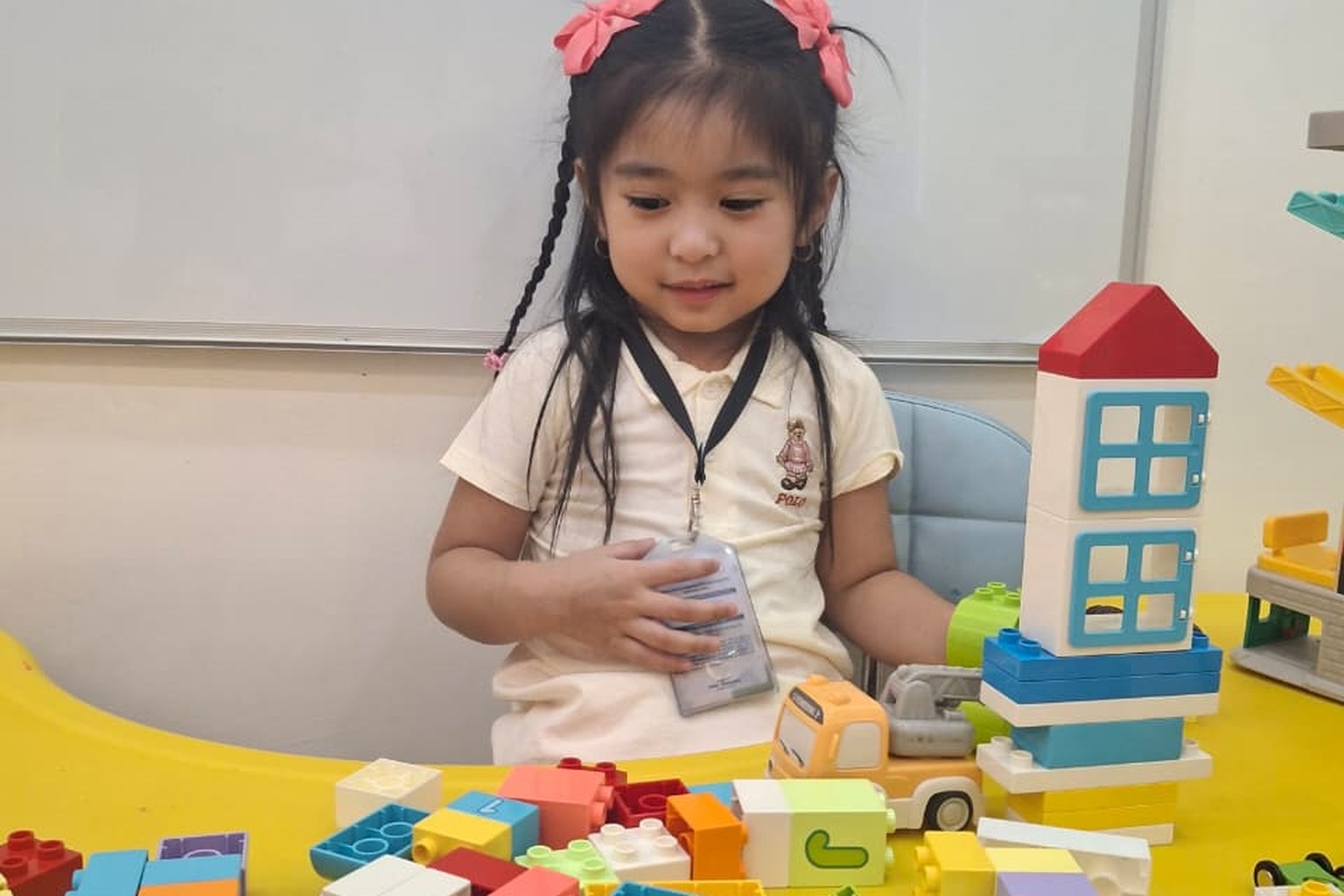
Play-based learning gets to the same place by a different road. Instead of drilling facts, children learn through guided play. They build, paint, act things out, sing, and tinker. A teacher might sneak counting into a market game, or letters into a song and a story, folding the academic bits into things kids genuinely want to do. That’s learning through play, and it’s the heart of what early childhood educators call developmentally appropriate practice.
And no, play-based doesn’t mean “just playing” with no point. In a good program every activity is planned with a goal behind it. The kids are absolutely learning math and language and problem-solving. They’re just having so much fun that it doesn’t register as work.
Play-Based Learning Benefits, Side by Side With the Traditional Approach
Here’s how the two stack up on the things parents tend to care about most.
How kids learn
Traditional preschool leans on the teacher explaining and kids repeating. Play-based learning leans on kids exploring and discovering through hands-on learning, with the teacher guiding instead of lecturing. It’s a child-centered learning style, built around how little ones are wired to take things in.
What they walk away with
The traditional route is strong on academic facts and following instructions. Play-based covers the academics too, and on top of that it grows curiosity and creativity, plus the social and emotional development that schoolwork alone can’t build. It’s whole child development — the head and the heart growing at the same time.
How it feels to a toddler
A drill-heavy day can feel like pressure to a three-year-old. A play-based day feels like fun, and kids who are having fun stay curious. That early love of learning ends up being one of the better predictors of how they’ll do later on.
How you see progress
Worksheets are easy to file in a folder, but they don’t capture confidence, or talking, or learning to share. Play-based progress shows up differently: a kid who speaks up, makes friends, sorts out little problems, and runs into the classroom instead of clinging to your leg.
Is Play-Based Learning Effective? What the Research Says
The evidence keeps tilting toward play. The American Academy of Pediatrics calls play essential for healthy brain development, the kind that fuels problem-solving and creativity, plus the emotional skills kids carry for life. And a widely cited review of the studies found that for children under eight, guided play in early childhood actually beat direct instruction for teaching academic content, especially in math and spatial skills.
Which is kind of freeing, when you think about it. Kids don’t have to pick between having fun and learning. Done well, play is one of the deepest ways young children learn and hold onto what they’ve learned.
A Few Myths Worth Clearing Up
Because play-based learning looks so different from the school most of us remember, a few myths stick around. Let’s knock them down.
“Play-based means my child won’t learn academics.” Not true. Kids in good play-based programs still pick up letters, numbers, reading readiness, and math. They just get there through hands-on activities instead of worksheets. The academics are very much there, taught the way little brains soak things up best.
“It’s basically just free time.” Far from it. Teachers plan each activity around a specific goal, and the day follows a steady routine. Guided play has a purpose behind every bit of it.
“They won’t be ready for big school.” If anything, play-based learning tends to build strong preschool readiness — kids show up to primary school confident, curious, good with other children, and actually excited to learn. That’s a pretty strong place to start from.
So What Does a Play-Based Preschool Day Look Like?
Picture this. The morning might open with circle time, songs and hellos that quietly build language and a sense of belonging. Then the kids spread out to different activity corners. Maybe sorting colorful objects to practice counting, stacking blocks to get a feel for shapes and balance, or painting to strengthen those little hand muscles.
Story time slips in some early reading. Snack time teaches independence. Active play burns off energy and builds coordination. The whole time, teachers are circling, asking questions, nudging each child’s thinking a step further. It looks like play, because it is, but every happy minute is laying down real skills.
Does This Mean Structure Doesn’t Matter?
Not at all, and this is where people get the wrong idea about play-based vs structured learning. The best play-based programs are actually very structured. They just build the day around purposeful play instead of worksheets. Circle time, story time, snack, guided activities, all of it follows a predictable rhythm that makes kids feel secure.
It was never really play versus learning, or freedom versus structure. The good stuff lives in the overlap: a warm, organized room where the real learning happens through play.
How to Choose a Preschool That’s Right for Your Child
Every child is their own person. But for toddlers and preschoolers, a play-based, child-centered start tends to give the steadiest foundation, not just for early academics but for confidence, talking, creativity, and a real love of learning. As they get closer to “big school,” a gentle bump up in structure helps them transition.
So when you’re comparing the best preschool approach for toddlers, look for one that does both: the warmth and joy of play, with the steadiness of good routines and teachers who clearly know little kids.
Frequently Asked Questions
Does play-based learning teach academics? Yes. In a quality play-based program, children learn letters, numbers, reading readiness, and early math, all through hands-on guided play instead of worksheets. The academics are fully there; they’re simply taught the way young brains learn best.
Will my child be ready for school with play-based learning? Usually more than ready. Play-based learning builds strong school readiness: kids tend to arrive at primary school confident, curious, socially comfortable, and genuinely excited to learn.
What’s the difference between play-based vs academic preschool? An academic (traditional) preschool teaches through direct instruction at desks, with worksheets. A play-based preschool teaches the same core skills through guided play and exploration, while also building creativity and social and emotional development.
What does a play-based preschool day look like? A typical day moves through circle time, activity corners (counting, building, painting), story time, snack, and active play, all on a steady routine, with teachers guiding each child’s learning along the way.
Where Every Child Learns Through Play
At Shining Stars Play and Learn Class, a play-based preschool in Quezon City, we’ve always believed kids learn best by doing. Our programs care for the whole child in a room that’s safe and structured, with a lot of warmth. The result tends to be happy, confident little learners who genuinely want to come back the next day.
Want to see play-based learning up close? Have a look at our classes or message us to set up a visit, and we’ll show you why so many Quezon City families trust us with their little ones.