
One-on-One Tutorial in Quezon City: Signs Your Child Needs a Tutor
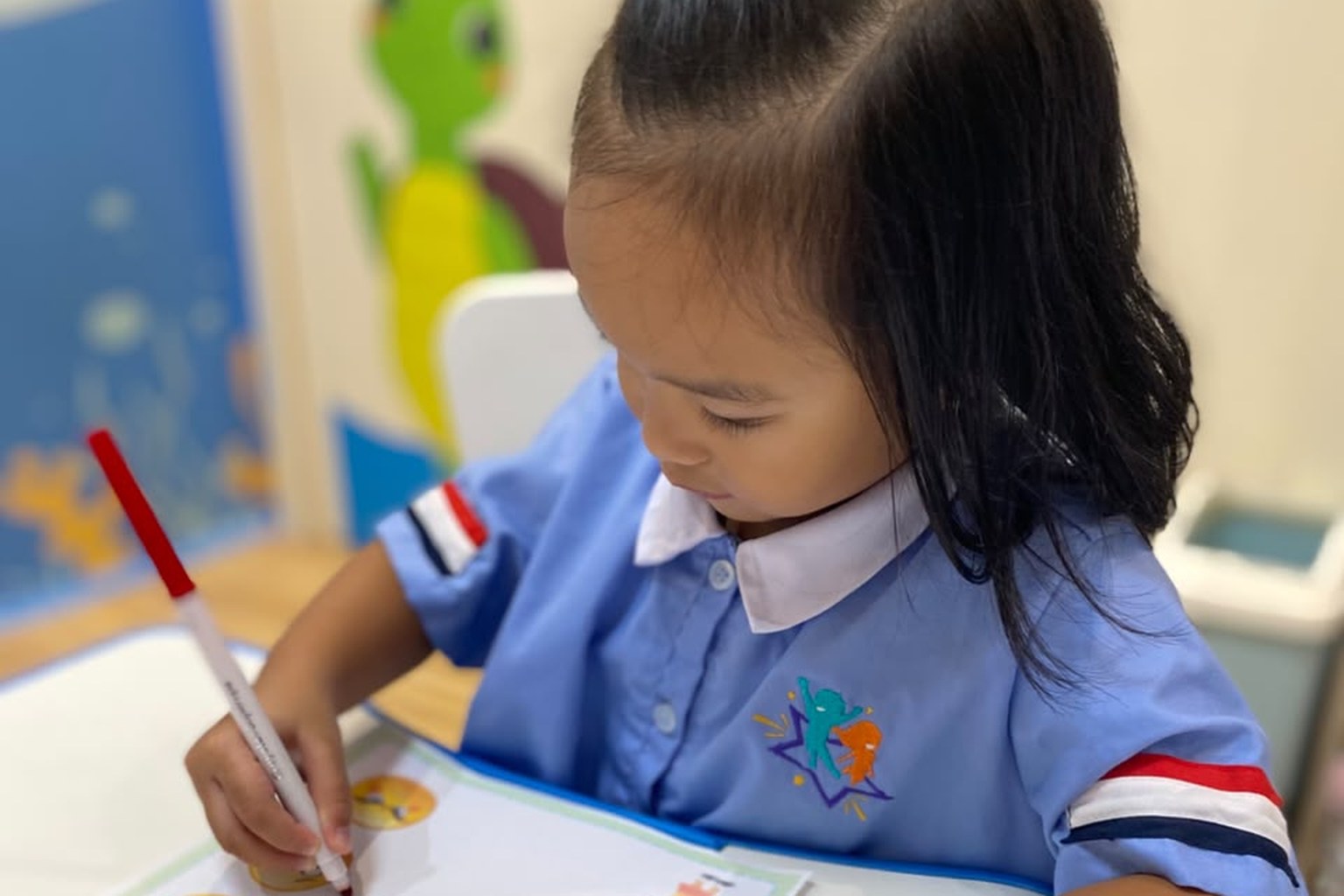

Most parents don’t wake up one morning certain their child needs a tutor. It creeps up on you. Homework that used to take twenty minutes now ends in tears. Your child says they “hate” math. A teacher gently mentions that your kid has gone quiet in class. If any of that sounds familiar, you’re already asking the right question. Knowing the real signs your child needs a tutor helps you step in early, while a small gap is still easy to close.
Here in Quezon City, where class sizes are large and the June-to-April school year moves fast, it’s easy for a child to slip behind without anyone raising an alarm. A one-on-one tutorial gives your child something a crowded classroom simply can’t: an adult whose full attention is on them for an hour. Let’s walk through the signs that it’s time, and what good tutoring actually does.
Needing a Tutor Doesn’t Mean Your Child Is “Behind”
First, let go of the worry that hiring a tutor is an admission that something is wrong with your child. Bright kids need tutors. Curious kids need tutors. Sometimes a child understood chapter one perfectly and just missed a week of school with dengue, and now chapter four makes no sense. Tutoring isn’t remedial by nature. It’s personal, and personal attention helps almost every learner.
What a tutor does is find the exact spot where your child got lost and rebuild from there, at your child’s pace, without thirty classmates waiting.
7 Signs Your Child Needs a Tutor
1. Homework has become a nightly battle
If assignments regularly end in frustration, avoidance, or tears, the issue usually isn’t laziness. It’s that the work feels too hard, and your child has run out of ways to cope with that feeling alone.
2. Grades are slipping
A drop from consistent 90s to 80s, or a failing mark in one subject, is a clear signal. One weak subject dragging down an otherwise strong report card often points to a specific gap a tutor can target.
3. They say they’re “dumb” or “hate” a subject
When a child starts talking down about themselves, confidence has taken the hit before grades even show it. That negative self-talk is one of the most important signs to act on quickly.
4. Your child can’t explain what they learned
Ask what they studied today and you get a shrug. If they can’t put a simple lesson into their own words, they may be memorizing without understanding, which collapses the moment the material gets harder.
5. The teacher has raised a concern
Teachers see your child among peers all day. If one tells you your child is struggling to keep up or has stopped participating, take it seriously; they’re giving you a head start.
6. Homework takes far longer than it should
A worksheet that should take twenty minutes stretches to two hours of distraction and stalling. That gap between expected and actual time is a quiet stress signal.
7. They’ve lost confidence to try
Maybe your once-eager child no longer raises a hand, or refuses to attempt a problem in case they get it wrong. Rebuilding that willingness to try is exactly what a patient tutor is for.
Why One-on-One Tutorial Services Work
In a classroom of thirty-five, a teacher can’t pause the lesson each time one child frowns in confusion. A tutor can. That single difference is why one-on-one tutoring is so effective.
A good tutor watches your child work, spots the exact misunderstanding, and re-teaches it in a way that finally clicks. There’s no embarrassment about asking a “silly” question and no pressure to keep up with faster classmates. Lessons flex to your child’s learning style, whether they need to see it drawn, say it out loud, or work through it with counters and blocks. Our overview of tutorial services in Quezon City explains how this focused approach builds strong academic foundations, and education resources like Edutopia document how individualized attention accelerates learning.
What to Look for in a Tutor
Not all tutoring is equal. Look for someone patient enough to earn a nervous child’s trust, and skilled enough to explain a concept three different ways until one lands. A strong tutor communicates with you about progress, keeps sessions structured but warm, and celebrates small wins so your child leaves feeling capable, not corrected.
Consistency matters too. A regular weekly slot with the same tutor builds the relationship and momentum that occasional cram sessions never will. And the best tutors teach study habits, not just answers, so your child gradually needs them less.
Tutoring Rebuilds More Than Grades
The report card usually improves, but that’s not the biggest change parents notice. What surprises them is the shift in attitude. A child who dreaded Mondays starts volunteering answers again. The nightly homework war quietly ends. They begin to believe they’re capable, and that belief spreads to subjects the tutor never even touched.
That confidence compounds over the years. A child who learns early that being stuck is temporary, and that effort pays off, carries that mindset into high school and beyond.
Frequently Asked Questions
How do I know if it’s a learning gap or just a phase?
If the struggle lasts more than a few weeks, shows up in grades, or comes with lost confidence, it’s worth addressing rather than waiting it out.
How often should tutoring sessions happen?
For most primary-school children, one to two focused sessions a week is enough to close a gap and build momentum without overloading them.
Will my child feel embarrassed about having a tutor?
Framed as extra support rather than punishment, most kids quickly enjoy the one-on-one attention, especially once the work starts feeling easier.
Give Your Child a Confident Restart
Spotting the signs your child needs a tutor early is one of the kindest things you can do as a parent. A little focused help now prevents a much bigger gap later, and it hands your child back the confidence to enjoy learning.
Think your child could benefit from one-on-one support? Contact Shining Stars Play and Learn Class in Quezon City to talk about tutorial services matched to your child’s needs.
You Might Also Like
Is your child struggling in school this June–April school year? Learn the warning signs and how tutoring in Quezon City rebuilds confidence, grades, and a love of learning.