
Potty Training Before Play School: A Gentle 3-Week Plan for Toddlers
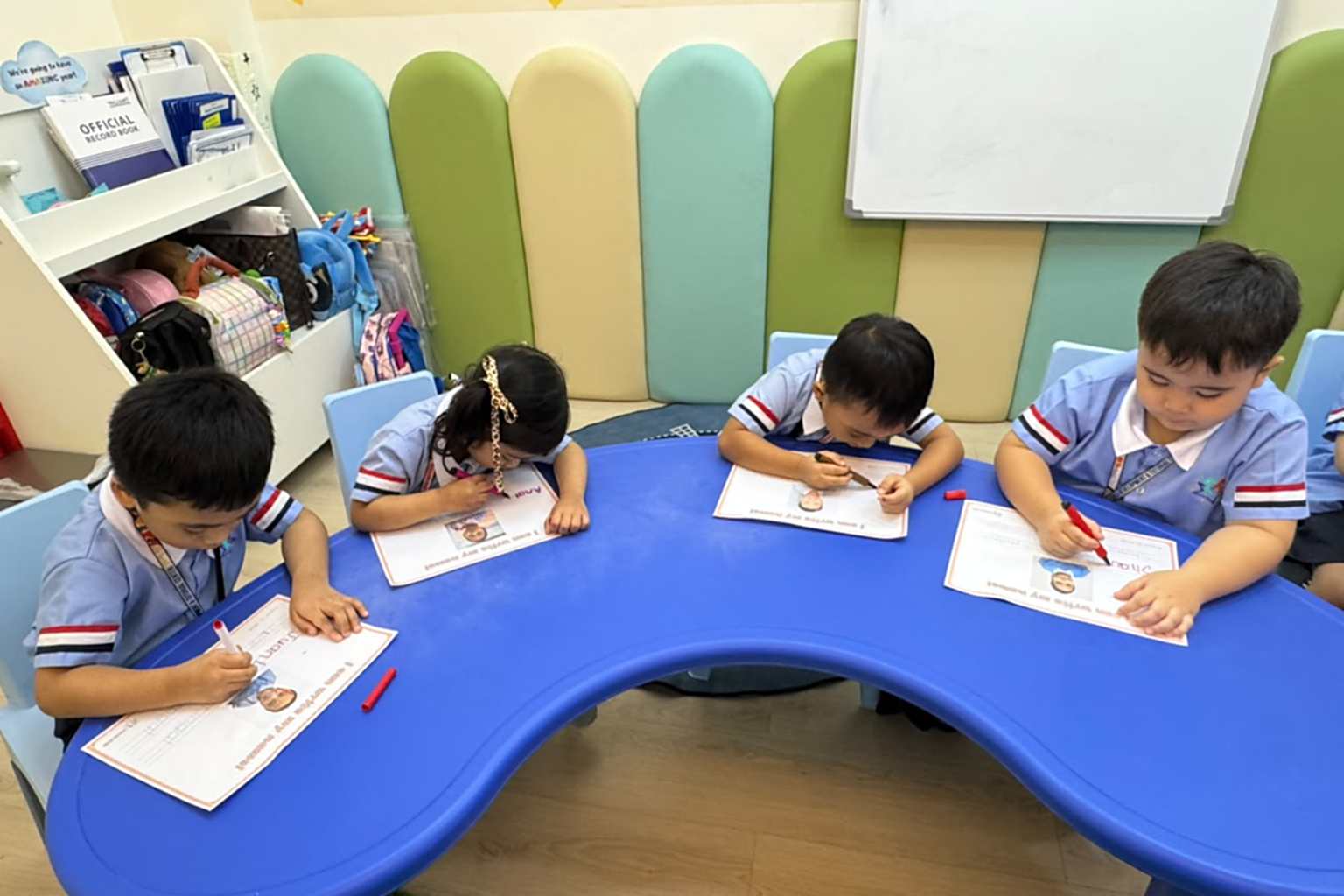

You have a slot for June and a child still in diapers. The batch starts in three weeks, the uniform is folded in the cabinet, and every time you mention the toilet your toddler runs off giggling. So you’re up at eleven at night reading about potty training before play school.
There’s no trick. There’s a plan, and three weeks is enough for most toddlers. But the first thing to fix isn’t your child’s bladder. It’s the deadline sitting on your chest.
Why Potty Training Before Play School Usually Goes Wrong
Toddlers can smell urgency. You think you’re being calm, but your child hears the tight voice and feels the household rearranging itself around a plastic bowl. Some respond by holding it in. Others refuse the potty completely, which is a two-year-old’s only real protest.
And a child drilled into dryness over five stressed-out days often falls apart in week three of school, when the newness wears off and they’re tired and managing a room full of strangers. Teachers see it every year.
Slow is faster.
Forget the Age. Look for These Signs.
Two and a half is not a rule. Some children are ready at twenty months, some past three, and the gap says nothing about how bright they are or how good a mother you’ve been. Watch for these instead:
- Staying dry two hours or more at a stretch, and waking dry from some naps.
- Telling you it’s happening, in whatever language they have. A word, a face, going quiet behind the sofa.
- Curiosity about the toilet, or about what lola and kuya do in there.
- Pulling their own pants down and back up without a struggle.
- Walking to the bathroom themselves when you ask.
Tick most of that and three weeks is realistic. Tick one or two and drilling won’t manufacture the rest, and pushing usually costs you months. Ring the school and say where your child actually is. Play schools around Quezon City field that call every batch.
Week One: The Potty Comes Out and Nothing Else Happens
Diaper stays on all week. You’re building familiarity, not results.
Put the potty where your child actually lives, beside the toy shelf in the sala, not in a bathroom they only visit for baths. Let them sit on it fully clothed after breakfast and after dinner. Narrate your own trips while you’re at it. “Mama needs to wee, I’m going to the toilet.”
Name their side of it too, when you catch the face and the stillness: “You’re weeing. That feeling is wee.” Toddlers often can’t link the sensation to the event until someone labels it.
Switch to soft-waistband shorts, nothing with buttons. Let them help with changes: fetch the clean diaper, pull their pants up. By Friday, success means they’ll sit without fussing and they know the words.
Week Two: The Diaper Comes Off
This is the messy one. Pick days you’re mostly home. Bare bottom or thin cotton underwear while awake, diaper only for naps, nights and going out.
Offer a sit every 45 to 60 minutes, plus after meals and naps. Set a soft alarm so it’s the phone nagging instead of you. Keep plain water in reach and let them drink freely, because you need something to practice with.
Accidents will happen, several a day at first. They aren’t a sign the plan is failing. They are the plan. Your job is deliberately boring: “Wee goes in the potty. Let’s clean up.” No sighing, no lecture about the rug. A child who becomes frightened of accidents starts hiding them.
Pull-ups for the car and for sleeping only. Use them at home and your child gets two messages and believes the absorbent one. End of week two, success is several catches a day. Not dryness. Catches.
Week Three: Rehearsing the School Version
Now you stretch. Push the sits to an hour and a half, then two. Week two was “let’s go try.” Week three is “tell me when you need to,” and then you wait. Take short trips too. Sari-sari store, then the playground, spares in the bag.
Then rehearse the sequence school will ask for, because this is what home training skips. They’ll be halfway through a block tower when the urge arrives, and the whole chain has to run alone: walk to the toilet, pants down without help, sit, wipe with your help, flush, wash hands, back to playing. Toddlers learn sequences by repetition.
Night Diapers, Poo, and the Regression Nobody Warned You About
Night is a separate project and effort has almost nothing to do with it. Staying dry overnight depends on a hormone that slows urine production during sleep. It switches on when it switches on, sometimes a year or two after daytime dryness. Keep the night diaper.
Poo lags behind wee, often by weeks and sometimes months. Plenty of toddlers who happily wee in the potty will ask for a diaper to poo in, or hold it till bedtime. Give them the diaper when they ask. Holding leads to constipation, and pain sets you back further than any wet floor ever will.
Regression is the other one. A new baby, a move, lola going home to the province, and a dry child is wet three times a day. Ordinary. Go back one step for a week with no commentary. Pain, blood or fever is a doctor’s visit, not a discipline problem.
Why the Sticker Chart Turns on You
The reward that works for most toddlers is unglamorous. Notice, describe, high five. “You felt it coming and you told me,” said right there in the bathroom, the second it happens.
Charts and lollies look motivating on day one. Trouble comes later. The reward becomes the point, so a clever toddler produces tiny amounts every ten minutes to farm stickers. A chart with gaps in it also turns a wobbly week into failure your child can read off the wall.
The Handover: What to Pack, What to Say on Day One
Pack two full changes of clothes, four pairs of underwear rather than the two you were planning on, a small plastic bag for wet things, and a face towel from home. Label everything.
Then catch the teacher before the bell and keep it short. Tell her the word your child uses, whether that’s “wee wee” or “ihi” or something only your family understands. An unfamiliar word said urgently is easy to miss in a busy room. Tell her the usual timing, and whether your child needs help wiping or will need reminding.
No good toddler program is shocked by an accident. Wet pants are part of the equipment list at this age. If a school makes you feel your child’s body is an inconvenience, weigh that alongside everything else in our guide to choosing the right play school.
If a full 10-month commitment feels like a lot while this is still in progress, that’s what our Enrichment Program is built for. Eight weeks in two 4-week batches, and one of its four components is basic and daily routines: classroom expectations and self-help habits. A gentler on-ramp for a child still settling into doing things alone. Once they’re steady, the Premium Play School Program takes them from 1.8 to 4 years old over 10 months.
Not sure whether to start now or wait a batch?
Call or message us and tell us where your child is at. We’ll give you a straight answer, even if the straight answer is to wait.
📞 0966-401-6118
📞 0956-268-2674
What Parents Around Fairview Actually Ask
Do play schools in Quezon City require a child to be fully trained?
It varies by centre, so ask instead of assuming. Many toddler programs here take children who are mid-training. The better question isn’t “do you allow diapers.” It’s “what happens when a child has an accident.”
My child is dry at home but wets every day at school. Why?
Either they’re too absorbed in play to catch the signal, or they don’t feel comfortable asking a teacher they’ve known for six days. Both ease off with time, and with the teacher offering scheduled trips. It sits close to ordinary first-week wobbles, which we’ve covered in our piece on preschool separation anxiety.
Can we do potty training before play school in one weekend?
Some children do respond to a fast intensive weekend. The catch is that it runs on your calendar rather than your child’s, so it needs you home and undistracted for three days plus a real willingness to stop if your child starts holding.
The batch starts in two weeks. Should we start anyway?
Start week one now, whatever happens. The potty in the room and the easy pants help even if you don’t finish. What you shouldn’t do is run week two during the same fortnight your child starts school.
The Short Version
Check the readiness signs honestly. Week one, potty in the room and diaper on. Week two, diaper off at home with a sit every hour. Week three, longer gaps and the school sequence rehearsed.
And if the first day arrives with your toddler catching maybe half the time, send them anyway, with a bag of spares and a two-minute chat with the teacher. Children across Quezon City learn this beside their classmates every year. Nobody remembers who got there last.