National Children’s Month 2026: 10 Simple Ways to Celebrate Your Toddler at Home (No Party Needed)
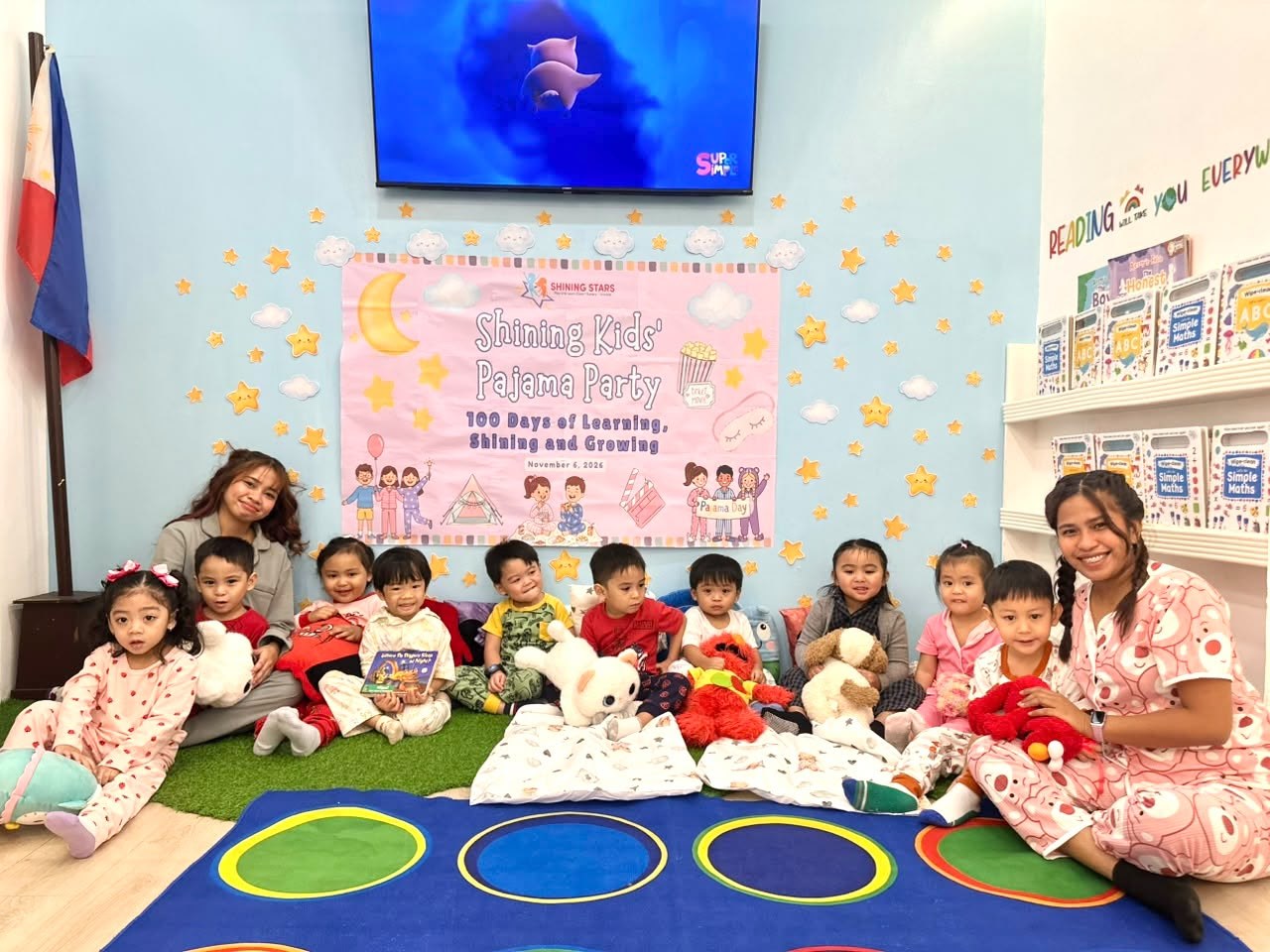

Every November, schools put up banners, barangays hold programs, and your social media fills with photos of children in matching shirts. It is National Children’s Month in the Philippines, and if your child is still a toddler it is easy to feel like Children’s Month activities for toddlers don’t really exist, and that it all happens somewhere else, for older kids, at events you don’t have time to attend.
It doesn’t need to be. The point of the month is simple: children matter, and the adults around them should stop and pay attention. You can do that at home, on a normal weekday, without a party, a venue or a budget.
Here is what the month is about, and ten simple ways to celebrate a child between one and four years old, with a note on what each one quietly teaches.
What National Children’s Month Is
Republic Act No. 10661 declares November as National Children’s Month in the Philippines. The month is built around November 20, the day in 1989 when the United Nations adopted the Convention on the Rights of the Child. That date is marked around the world as World Children’s Day, and the Philippines ratified the Convention in 1990.
The Council for the Welfare of Children leads the celebration each year and sets a theme. The themes change, but they usually come back to the same few things: children’s safety, health, education, and their right to be heard.
For a family with a two-year-old, that translates into something very practical. Your child has a right to play, to rest, to be safe, and to have someone listen to them, even when what they are saying is a long story about a cat that may or may not exist.
Why Small Celebrations Work Better for Toddlers
Big events can be a lot for a small child. Crowds, loud speakers, waiting in lines and unfamiliar adults often end in a meltdown before the program even starts. That is not a sign anything is wrong. It is just how toddlers are built.
What a toddler understands best is your attention. Twenty minutes where you are on the floor with them, phone in the other room, doing something they chose, means more to a three-year-old than a whole day at a mall event. The ideas below are built around that.
10 Simple Children’s Month Activities for Toddlers at Home
1. Give them a “yes” morning
For one morning, let your child make the small choices. Which shirt. Pancakes or pandesal. Park or playground. You still decide anything involving safety, but within that, the answer is yes. Toddlers spend most of their day being told what to do, so a few hours of being in charge feels enormous to them.
What it teaches: decision-making, and that their opinion counts.
2. Make a “When You Were a Baby” book
Print a few photos from their first year, or simply scroll through them together on your phone. Tell them the stories. What they ate first, who carried them home from the hospital, the first word they said. Children love hearing about themselves, and they will ask for the same stories again and again.
What it teaches: a sense of identity and belonging, plus a lot of new vocabulary.
3. Set up a sensory bin
Fill a basin with uncooked rice, dried mongo beans or water, and add cups, spoons and a few small toys to bury and find. Stay close, since small items can be choking hazards for under-threes. It will get messy. Put a mat or old bedsheet under it and let it.
What it teaches: fine motor control, concentration, and early maths words like full, empty, more and less.
4. Hand them a real job
Toddlers want to help, often at exactly the wrong moment. Choose a job they can do: washing vegetables, sorting socks by colour, wiping the table, watering a plant. Do it with them and thank them properly.
What it teaches: confidence, following steps, and the feeling of being useful in the family.
5. Have a living room dance party
Play the songs they love, including the ones you are tired of. Add a freeze game: when the music stops, everyone freezes. Toddlers find this hilarious for far longer than you expect.
What it teaches: listening, body control and stopping on cue, which is surprisingly hard at this age.
6. Paint with something unusual
Use a leaf, a fork, a sponge, a cotton ball or their own hands. Washable paint on old newspaper is enough. Don’t ask “what is it?” when they show you. Ask “tell me about it.” You will get a much better answer.
What it teaches: creativity, cause and effect, and describing what they did.
7. Go on a neighbourhood walk with a mission
Before you leave, give them something to find. Three dogs. Something red. A tricycle. A leaf bigger than their hand. A short walk turns into a game, and you will notice things on your own street you had never seen.
What it teaches: observation, counting, colours and naming.
8. Read the same favourite book, with them as the star
Take a book they already love and swap the main character’s name for theirs. Or let them “read” it to you from memory. If reading time at home is a struggle, our post on what’s normal for toddler talking at each age has practical ideas for building language through everyday routines.
What it teaches: listening, story structure and a love of books.
9. Build a blanket fort
Two chairs, a blanket, a few pillows and a flashlight. That is a castle, a cave, a spaceship or a bahay kubo depending on the day. Crawl in with them. Have a snack in there. Tell a story in a whisper.
What it teaches: pretend play, problem-solving, and a safe, cosy space they built themselves.
10. Call someone who loves them
A video call with Lola in the province, a tito abroad or a ninang they rarely see. Let your child lead the conversation, even if it is mostly showing toys to the camera. Hearing other adults say how proud they are matters to small children.
What it teaches: family connection, and practice talking to people outside the house.
What If You Only Have Weekends?
Most working parents in Quezon City are out of the house from early morning to evening, with traffic on both ends. If that is your week, don’t try to do all ten. Pick one for Saturday morning and one small thing for each weeknight, like five minutes of their favourite song before bed or letting them choose the bedtime story.
Consistency matters more than size. A small ritual every day lands harder than one big day a month.
And if your child spends most of the day with a lola or yaya, share the list with them. Many of these ideas fit easily into an ordinary day at home.
A Word on Screens This Month
It is tempting to celebrate with a new tablet game or a long movie marathon. There is nothing wrong with a family movie now and then. Just remember that most of the activities above work because they involve you, your voice and your attention, which no screen can replace. If you want an honest look at how much is reasonable at this age, we wrote about how much screen time is okay for a 2 to 4 year old.
How We Mark the Month at Shining Stars
In our classes, November is a good excuse to do more of what we already value: letting children choose, giving them small responsibilities, and making sure every child gets a moment to be heard in circle time. Our teachers keep classes small so that no child is just a face in the crowd.
If you are looking for a place where your toddler gets that kind of attention every week, not just in November, you can see the classes we run at our Fairlane and Pearl Drive branches in Quezon City. We also hold trial classes so you can watch a session before deciding anything.
Want to know more?
📞 0966-401-6118
📞 0956-268-2674
Questions Parents Ask
When is National Children’s Month in the Philippines?
Every November, under Republic Act No. 10661. It is built around November 20, World Children’s Day, the anniversary of the UN Convention on the Rights of the Child.
What can toddlers do for Children’s Month?
Simple, hands-on activities at home work best: sensory play, painting, helping with small chores, dancing, reading together and short outdoor walks. The goal is time and attention, not a big event.
Do I need to buy anything for these activities?
Almost nothing. Rice, beans, old newspaper, a basin, a blanket and some washable paint cover most of the list.
My toddler gets overwhelmed at school programs. Should we skip them?
You can attend for a short time and leave before your child is overtired. Bring a snack and a familiar toy, and stay near the edge of the crowd so stepping out is easy. There is no need to stay for the whole program.
What age can my child start at Shining Stars?
From 1.8 years old. Our guide on what age to start preschool covers the signs of readiness.