What Age to Start Preschool? A Toddler Nursery Guide for Quezon City Parents

Deciding what age to start preschool is one of those parenting questions with no single right answer, which is exactly why it keeps so many Quezon City parents up at night. Enroll too early and you worry your toddler isn’t ready to be away from you. Wait too long and you wonder if they’re missing out on friends and early learning. The good news is that readiness is easier to read than most parents think, once you know what to look for.
This guide walks you through the typical ages for nursery and play school, the signs that actually matter more than a birthday, and how to tell if your little one is ready to take that first step.
What Age to Start Preschool: Common Starting Ages
Most children in the Philippines begin some form of early schooling between ages two and four, stepping up through levels as they grow:
Toddler / Nursery (around 1.5 to 3 years): The gentlest introduction. Short sessions built around play, songs, sensory activities, and simply getting comfortable in a group setting.
Pre-Kinder (around 3 to 4 years): More structure appears. Children start early letters, numbers, colors, and shapes, still mostly through games and hands-on activities.
Kindergarten (around 5 years): This is the level DepEd requires before Grade 1, focused on school-readiness skills.
These ranges overlap on purpose. A young two-year-old and an older two-year-old can be at very different stages, so treat the numbers as a starting point, not a rulebook.
Age Isn’t the Only Question
A child’s birthday tells you how long they’ve been alive, not whether they’re ready for a classroom. Readiness is really about social, emotional, and physical milestones coming together. Some children thrive in nursery at two. Others do far better with a few more months at home first. Neither path puts a child ahead or behind for life.
If you’re weighing schools as well as timing, our guide on how to choose the right play school in Quezon City pairs nicely with this one.
Signs Your Toddler Is Ready for Play School
They can spend short stretches away from you
Your child has stayed happily with lola, a yaya, or a trusted relative without falling apart. Some separation nerves are normal, but a child who can be soothed by another caregiver is usually ready.
They show interest in other children
They watch other kids at the park, try to join in, or light up around cousins. That budding social curiosity is fuel for a group classroom.
They can follow simple instructions
“Get your shoes,” “put the toy in the box.” Following one or two-step directions means your child can handle basic classroom routines.
They have some independence
Feeding themselves a little, helping with dressing, or showing signs of potty readiness all make the school day smoother, though a good nursery will support these too.
They have the stamina for a session
A well-rested toddler who can stay engaged for an hour or two, rather than needing constant naps, will get more out of a class.
What If My Child Isn’t Ready Yet?
Then wait a little, and that’s completely fine. Pushing a child into a classroom before they’re ready can create anxiety that lingers. A few extra months of playdates, library visits, and short separations from you can do wonders. Readiness often arrives in a matter of weeks, not years.
You can also build readiness gently at home: arrange short times apart, practice simple routines, and give your toddler chances to play alongside other children. Many parents find a shorter toddler or nursery program is the perfect bridge, easing a hesitant child into school life without a full day away.
What Nursery and Play School Actually Look Like
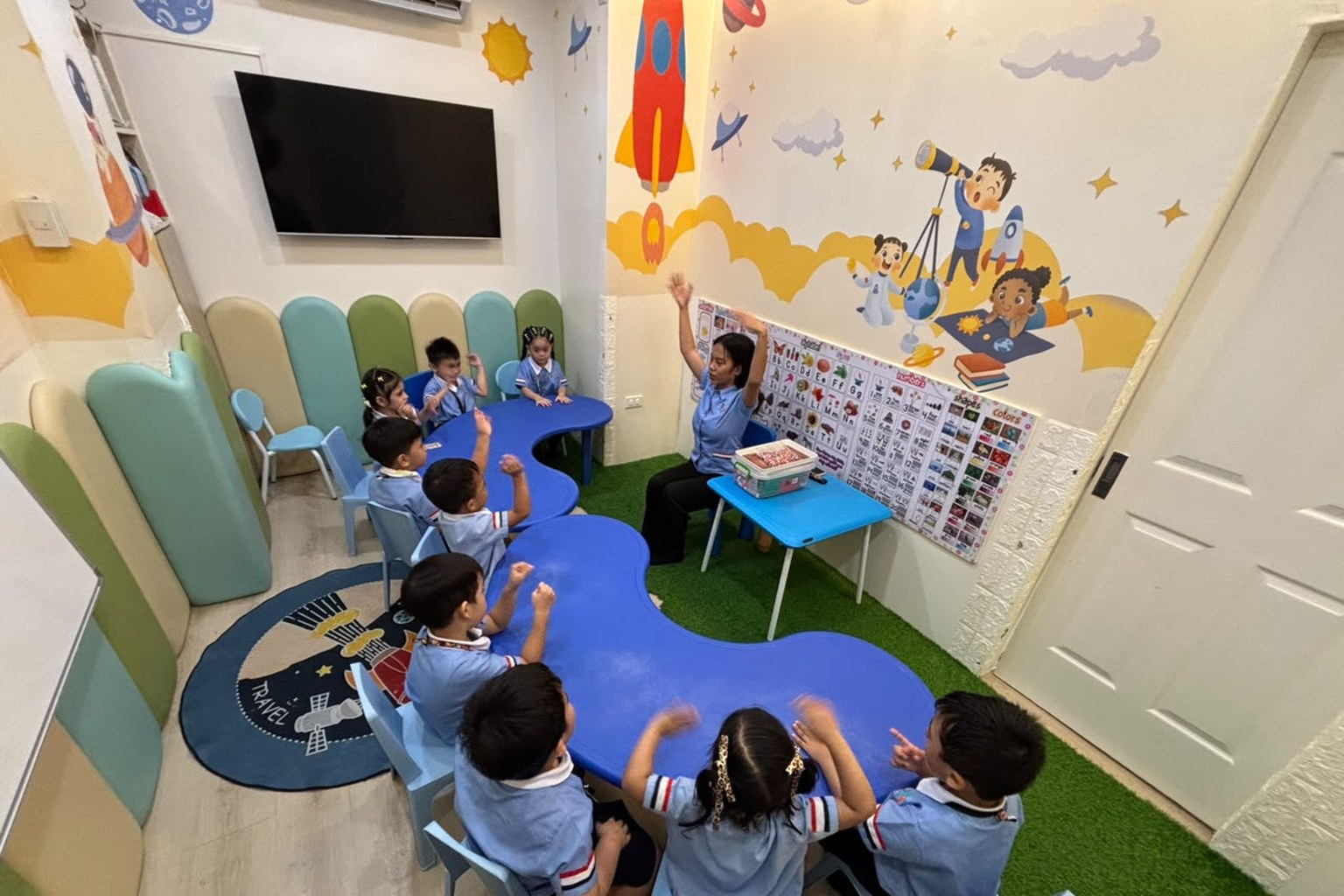
Parents picturing tiny desks and worksheets are often relieved by the reality. Quality early programs for this age are built almost entirely around play, because that’s how toddlers learn best. Expect circle time with songs, sensory bins, art that gets gloriously messy, story time, and lots of movement. Underneath the fun, children are building language, motor skills, sharing, and the confidence to be part of a group.
If you want to understand why these early experiences matter so much, our article on why the first 1,000 days matter explains the science behind early brain development.
Easing Those First Few Weeks
Even a ready child may cry at the first few drop-offs, and that’s normal. Keep goodbyes short and warm, stick to a predictable routine, and trust that most tears stop minutes after you leave. Talk positively about school at home, and let your child bring a small comfort item if the school allows it.
For a smoother start, our guide to handling preschool separation anxiety and our back-to-school checklist for toddlers cover exactly what to pack and prepare.
Frequently Asked Questions
Is two years old too early for preschool?
Not necessarily. Many toddler and nursery programs welcome children around age two, as long as the child shows basic readiness and the program is play-based and gentle.
Does starting preschool earlier make my child smarter?
Starting earlier isn’t automatically better. What matters most is that your child is ready and that the program fits their stage. A happy, ready child learns more than an anxious, rushed one.
My child is shy. Should I wait?
Shyness alone isn’t a reason to delay. A warm, small nursery class often helps shy children slowly build confidence around peers.
Trust Your Child’s Pace
There’s no perfect age stamped on every child. When you weigh your toddler’s social, emotional, and physical readiness alongside their age, the right time usually becomes clear. Follow those signs and the transition into play school can be one of the happiest milestones of the early years.
Wondering if your little one is ready to start? Reach out to Shining Stars Play and Learn Class in Quezon City to visit our nursery and toddler classes and see what feels right for your family.