
How to Teach Your Child to Read: 7 Signs Your Preschooler Is Ready
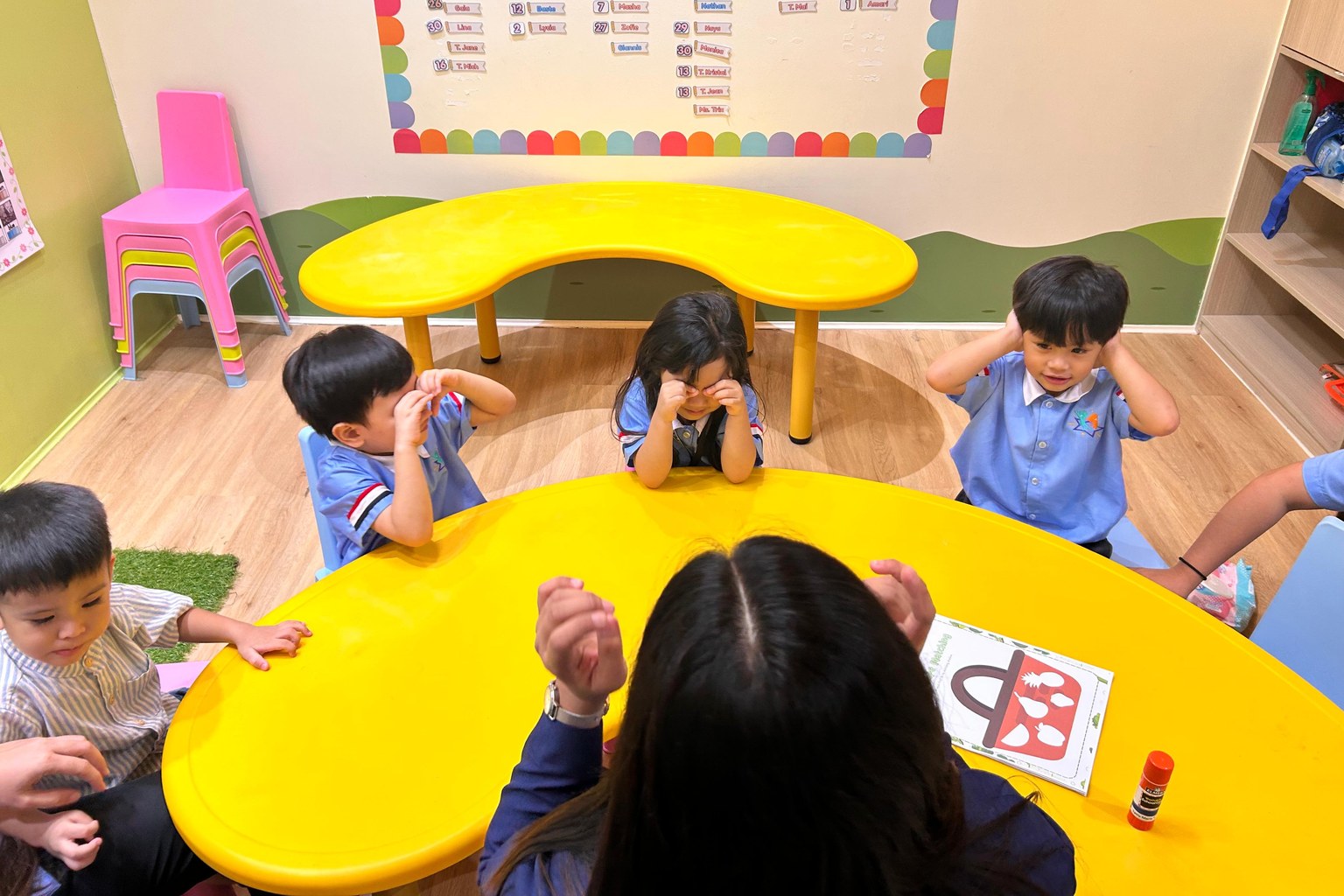

If you’ve been wondering how to teach your child to read, the honest starting point surprises most parents: it isn’t flashcards, and it isn’t a race against the other kids in the village. Reading grows out of things your child is probably already doing, like pointing at the jeepney signs on the way to Trinoma or asking you to read the same storybook for the hundredth time. Your job in the preschool years is less about drilling letters and more about noticing when your little one is ready, then meeting them there.
At our play school here in Quezon City, we watch this unfold every school year. Some three-year-olds are sounding out words while others the same age would rather build a tower and knock it down. Both are completely normal. Below are the seven signs that tell you your preschooler is warming up to reading, plus what you can do at home once you spot them.
Reading Readiness Isn’t About Age
There’s no magic birthday when a child “should” read. What matters is a cluster of skills that come together at different times for different kids: spoken language, listening, memory, and the ability to notice that those squiggles on a page carry meaning. Push too early and reading becomes a chore attached to tears. Wait for genuine interest and it feels like a game.
This is why we lean on play-based learning rather than worksheets for our youngest classes. A child who loves books because story time is warm and fun will teach themselves half of what they need. Your role is to keep that spark alive while the readiness skills catch up. For research-backed reading activities to try at home, the literacy nonprofit Reading Rockets is a trusted resource.
7 Signs Your Preschooler Is Ready to Read
1. They pretend to read
You catch your child holding a book, turning pages, and “reading” a story from memory, sometimes word for word. That’s not a party trick. It means they understand that print tells a story and that reading follows a rhythm.
2. They recognize letters in the wild
Your child spots the “M” in the mall sign or the first letter of their own name on a lunchbox. When letters start jumping out at them outside of a lesson, the brain is primed to connect symbols to sounds.
3. They can hear rhymes and sounds
They giggle at rhyming words, notice that “bola” and “mola” sound alike, or can tell you that “papa” starts with the same sound as “pusa.” This skill, called phonological awareness, is one of the strongest predictors of easy reading later on.
4. They ask what words say
Instead of only looking at the pictures, your child points and asks, “Ano po ang nakasulat dito?” Curiosity about the actual words means they’ve figured out that the text, not just the drawings, holds the meaning.
5. They remember and retell stories
After a few readings, your child can tell you what happens next, or narrate the whole story in their own words. Strong memory and sequencing make decoding sentences far less overwhelming.
6. They hold books the right way
Cover in front, pages turning left to right, eyes moving across the line. These print concepts look small, but they show your child has absorbed how reading physically works.
7. They sit and focus on a story
Your child can settle in for a full picture book without wandering off after one page. That growing attention span is exactly what reading practice will ask of them.
You don’t need all seven at once. Three or four showing up regularly is a good green light to start gentle reading play.
How to Teach Your Child to Read at Home
Once the signs are there, keep it light. Fifteen relaxed minutes beat an hour of frustration every time.
Read together every day. This is the single most powerful thing you can do. Run your finger under the words as you read so your child links the sound to the shape. Let them pick the book, even if it’s the same one again.
Start with sounds, not letter names. Knowing that a letter is called “bee” doesn’t help a child read “bat.” Knowing it makes a /b/ sound does. Play sound games in the car: “What starts with mmm? Mama, mangga, motor!”
Make the alphabet physical. Trace letters in rice or sand, shape them with playdough, hunt for them in a book. Little hands remember what they build.
Label the real world. Stick simple word cards on the ref, the door, the toy box. Your child learns that words are everywhere and useful, not just something for school.
Praise effort, not perfection. “You tried to sound that out, ang galing!” keeps them brave enough to guess. Correcting every mistake teaches them to stop trying.
When a Play School Gives Reading a Head Start
Reading grows fastest when home and school pull in the same direction. In a good early childhood classroom, children get daily story time, songs that stretch their ear for sounds, and the social nudge of seeing friends enjoy books too. A child who is shy about trying at home will often blossom sitting in a circle with classmates.
Structured reading enrichment also fills gaps parents can miss, like teaching the specific letter-sound patterns that make Filipino and English reading click. If you want a fuller picture of how these early years shape a child’s confidence and thinking, our guide on early childhood programs in Quezon City digs into the research.
Common Mistakes to Avoid
The biggest one is starting formal drills before the readiness signs appear. A four-year-old forced through phonics worksheets can learn to dislike reading before they can even do it. Comparing your child to a cousin who reads early is another trap; kids bloom on wildly different timelines and early readers hold no lasting advantage by grade three.
Finally, don’t drop story time once your child can sound out words. Reading to them well past the point they can read alone keeps their vocabulary and love of books growing.
Frequently Asked Questions
What age should my child start reading?
Most children begin decoding simple words between ages four and six, but interest matters more than the number. Follow the readiness signs rather than the calendar.
Should I teach reading in English or Filipino first?
Start with the language your child speaks most confidently at home. The sound-to-print skills transfer, so a strong foundation in one language supports the other.
How long should reading practice be?
Ten to fifteen minutes a day is plenty for a preschooler. Short and happy beats long and forced.
Give Your Child a Joyful Start
Teaching your child to read isn’t about pushing harder. It’s about reading together, playing with sounds, and letting genuine curiosity lead. Watch for the seven signs, follow your child’s pace, and the letters will start to click on their own.
Want expert help nurturing your preschooler’s love of reading? Get in touch with Shining Stars Play and Learn Class in Quezon City to see how our reading-rich classrooms give little learners a confident head start.