
First Day Jitters: How to Handle Preschool Separation Anxiety (A Quezon City Parent’s Guide)

You finally reach the classroom door, and your toddler latches onto your leg like a baby koala. The lower lip starts to wobble. Here come the tears.
Sound familiar? Take a breath. You haven’t done anything wrong, and your child isn’t “behind.” Preschool separation anxiety is just part of the deal for almost every family in Quezon City once classes start.
The new school year opens on June 8, so a lot of little ones are about to walk into a classroom for the very first time. Let’s talk about why it happens, what makes it worse, and what actually helps your child settle in.
Why Preschool Separation Anxiety Happens
Here’s the reassuring part. When your child cries at the gate, it doesn’t mean they’re clingy or spoiled. Usually it means the opposite. A kid who falls apart when you leave is a kid who feels safe and attached to you, and that bond is exactly what gives them the courage to go off and explore later on.
By 18 months to three years old, most toddlers already understand that you still exist after you walk away. What they don’t have yet is any real sense of time. You can say “Mommy will be back after snack time” all you want, but to a two-year-old that means almost nothing. They’re only asking one question: are you coming back? Now add an unfamiliar room and a brand-new routine on top of that. Of course it feels like a lot. And it passes, usually within the first week or two, especially when home and school are working together.
Signs Your Child Is Struggling with the Goodbye
Every child shows it differently. Some of the usual signs:
- Crying, clinging, or full meltdowns at drop-off
- Tummy aches or a sudden “I don’t feel good” on school mornings
- Fighting bedtime the night before, or waking up more than usual
- Asking over and over when you’re coming back
- Going quiet or shy for the first few days in class
Now, the part most parents never get to see. Plenty of kids cry hard for five minutes after you walk out, then they’re happily stacking blocks by the time you’ve reached the car. A good teacher will be honest with you about how your child did once you were gone. More often than not, it’s a much shorter cry than you imagined.
7 Gentle Ways to Ease First-Day Jitters
1. Practice short goodbyes before school even starts
In the week before classes, leave your child with a lola, a tita, or another trusted adult for short stretches. Thirty minutes, then maybe an hour. These small, low-stakes separations teach the one lesson that matters most: you always come back.
2. Talk about school like it’s something good
Read a picture book or two about starting school. Walk past the building. Show photos of the classroom and teachers if you have them. Familiar things feel less scary. Just don’t over-explain or sound worried yourself, because kids pick up on our tone way before they understand our words.
3. Have a little goodbye ritual
A short, predictable goodbye gives your child something to hold onto. A secret handshake, three quick kisses, a “see you later, alligator.” Whatever it is, keep it the same every day. The repetition is what makes goodbye feel normal instead of frightening.
4. Keep the goodbye short, and sound sure of yourself
This is the hard one, I know. But long, teary goodbyes usually make things worse, because they tell your child there must be something to worry about. So give the hug, say your cheerful goodbye, hand them to the teacher, and go. Drawing it out is harder on your child than a quick, calm exit, even when it doesn’t feel that way to you.
5. Send a little piece of home
A small family photo, a hanky that smells like home, a tiny toy that fits in a pocket. Comfort items like these act as a bridge between you and the classroom. Most play schools around Quezon City are fine with these during the first few weeks, so it’s worth asking.
6. Always say goodbye. Never sneak out
It’s tempting to slip away while your child is distracted and happy. Please don’t. Sneaking out teaches them to feel on guard whenever they can’t see you, even at home. A clear goodbye every single time, boring as it sounds, builds trust much faster.
7. Go easy on yourself too
Drop-off is rough on parents. Some of us cry in the car, and that’s completely okay. Your child reads your face, so if you can hold it together until you’re out of sight, you’re giving them permission to feel safe. You can fall apart a little once you’re around the corner.
How the Right Play School Makes This Easier
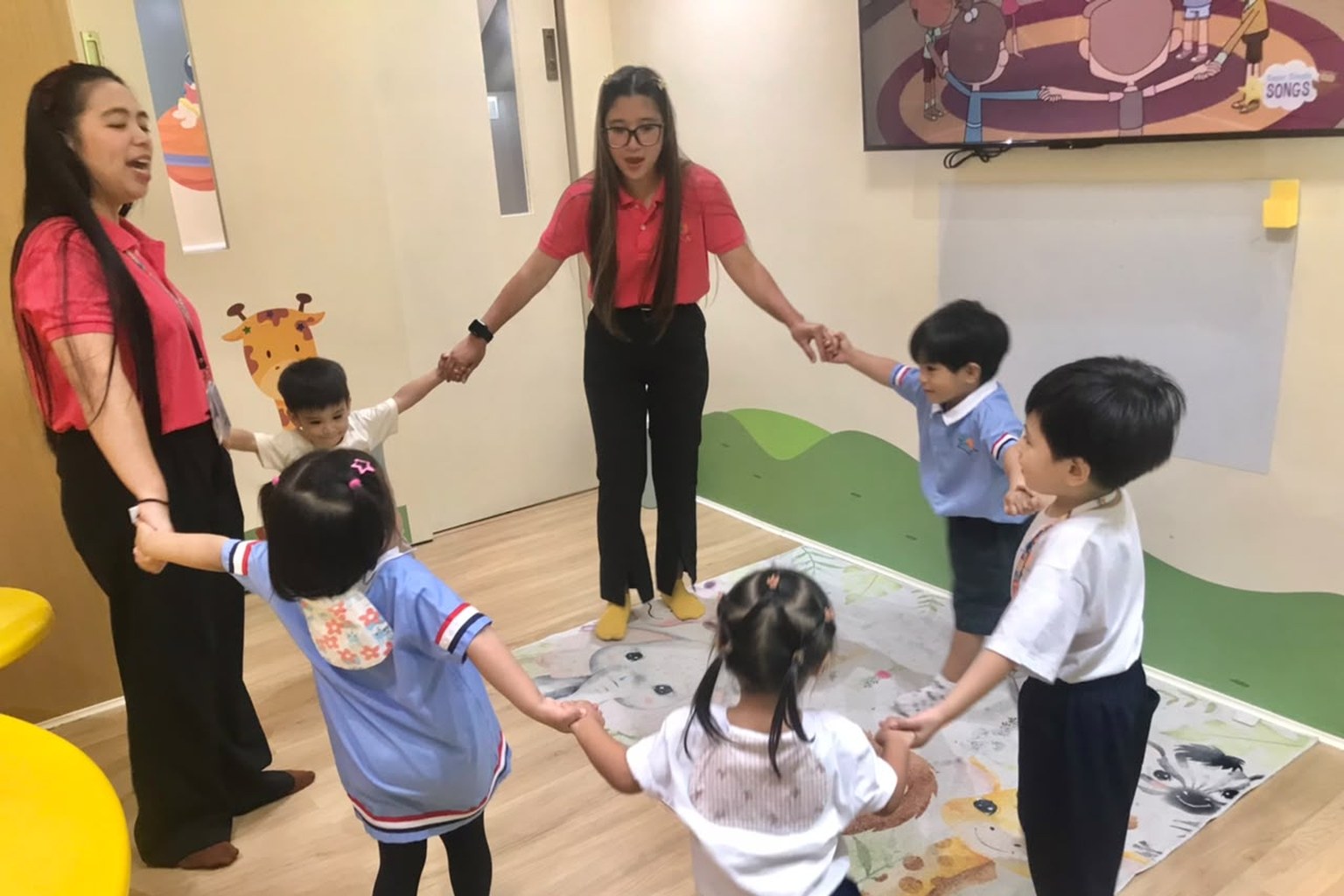
A warm classroom changes everything. At Shining Stars Play and Learn Class in Quezon City, the teachers are used to nervous first-timers and meet them with patience, gentle routines, and a lot of one-on-one comfort. Because class sizes stay small, your child never gets lost in the crowd. There’s always someone close by to hold a hand or steer them toward something fun.
Play-based learning helps more than people expect, too. The moment a child gets to build, paint, or sing, curiosity quietly elbows the worry out of the way. The steady rhythm of the day — circle time, snack, story time — is reassuring all on its own. Give it a few days and “are you coming back?” usually turns into “can we go to school today?”
A Few Things to Avoid at Drop-Off
Sometimes our most loving instincts backfire a bit. As you find your footing, watch out for these:
- Sneaking out without saying goodbye, which keeps your child on edge
- Stretching the goodbye out with “one more hug” five times over
- Bribing with candy or screen time just to stop the crying
- Letting your own nerves show on your face or in your voice
- Grilling your child the second you pick them up, before they’ve had a chance to breathe
Keep it warm and matter-of-fact instead. The message you’re really sending is simple: school is a safe place, and Mommy or Daddy always comes back.
Don’t Forget the After-School Slump
Here’s something nobody warns you about. Separation anxiety doesn’t always end at the gate. A lot of kids hold it together all morning, then fall apart at home, extra clingy and weepy over nothing. It’s normal. They’ve been brave for hours, and home is where they finally let it out.
Give your child a soft landing after school. A snack, a cuddle, some quiet time, and a chance to talk about their day only if they feel like it. Don’t push it. Keep the evenings calm and predictable. The safer they feel at home, the braver they’ll be at the gate tomorrow.
When to Be Patient, and When to Ask for Help
Most of the time, separation anxiety fades within two to four weeks. Stay consistent, give the routine a chance, and try not to keep your child home after one bad morning. Skipping a day here and there can quietly make the fear bigger.
But trust your gut. If the distress drags on well past a month, comes with frequent tummy aches, or really disrupts sleep and daily life, have a chat with your child’s teacher and your pediatrician. Bringing them in early just means your little one gets the right support sooner.
Your Child Is Ready to Shine
First-day jitters aren’t a roadblock. They’re step one of something brave. With steady love at home and a caring classroom at school, most kids go from tears at the gate to running in with a grin faster than you’d think. Be patient, stay consistent, and trust that it works.
Looking for a warm, play-based preschool in Quezon City where your child can feel safe enough to shine? Drop by our Classes page or message Shining Stars Play and Learn Class to set up a visit. We’d love to help make this school year a good one.